


The maritime industry is entering a period of ever-greater fuel diversity. Although much of the discussion focuses on fuels, engines and regulations, the transition depends just as much on the infrastructure needed to supply alternative fuels safely, reliably and at scale.
A new DNV technical report (white paper) entitled “Gas bunkering vessels – Facilitating the transition to alternative fuels” shows that LNG (liquefied natural gas) has become the most widely used gaseous marine fuel and the first to be deployed commercially at scale. According to DNV’s “Alternative Fuels Insight” platform, around 900 LNG-fuelled ships are currently in operation worldwide, excluding ships dedicated to LNG transport.
By 2030, the fleet is expected to be joined by a further 650 ships, adding to demand for LNG as a marine fuel.
Bunkering infrastructure under pressure
As the LNG-fuelled fleet grows, pressure on the entire bunkering ecosystem increases. LNG consumption by ships using the fuel rose by more than 500% between 2020 and 2024, with a further 167% increase projected for 2025–2030. The report stresses that bunkering infrastructure is not keeping pace with this rapid expansion, creating a widening gap between fuel demand and available supply capacity.
DNV’s analysis suggests that by 2030 the global fleet of LNG bunkering vessels could double, with potential demand for 165 to 208 such ships worldwide.
Converting existing ships can accelerate capacity growth
Meeting future demand does not depend solely on newbuildings. The report highlights that converting small-capacity LNG carriers (suitable for the purpose) into dedicated bunkering vessels is a practical way to accelerate capacity growth and support emerging fuel-supply markets.
Safety must evolve with LNG demand
As gas bunkering operations become more frequent and more geographically widespread, maintaining high and consistent safety and operational performance standards becomes an increasingly important priority. The DNV report examines the safety requirements, crew readiness and operational procedures needed to support this development.
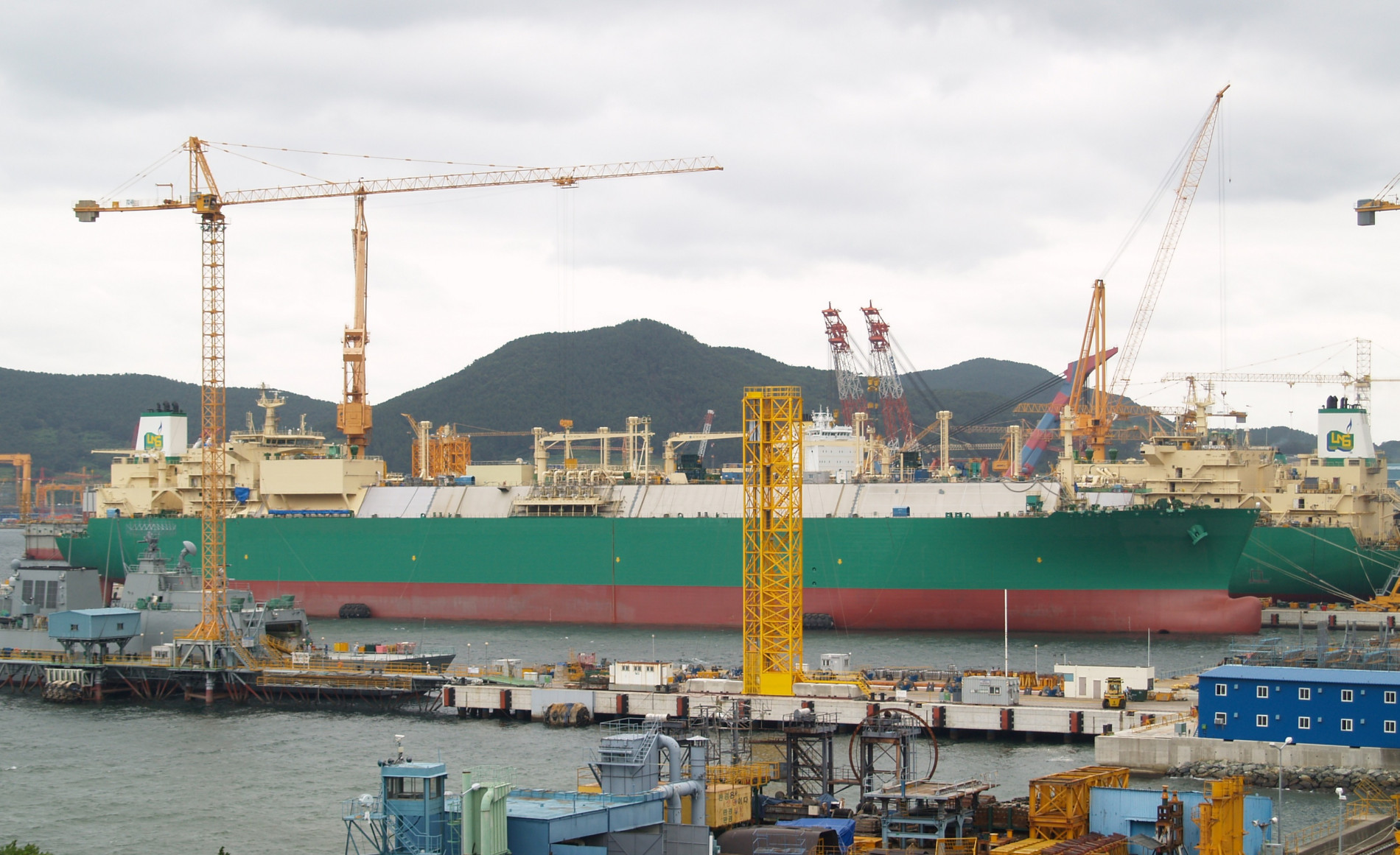
Source: DNV technical report (white paper) “Gas bunkering vessels – Facilitating the transition to alternative fuels”. Photo: LNG Carrier DSME – Towel401, public domain, via Wikimedia Commons.
Romanian version: De ce sunt importante navele de bunkering cu gaz